Funding News Archives – Community Finance Ireland - Celebrating 25 Years of Impact
Click here to view our all island annual report 2023 View Now

Share this article:

The UK Government’s new Pathways to Work Innovation Fund presents an important opportunity for organisations across the voluntary, community, public and private sectors to help shape the future of employment support for disabled people and people living with long-term health conditions.

Announced by the Pathways to Work Innovation Fund and administered by the Department for Work and Pensions (DWP), the fund forms part of the Government’s wider £3.5 billion investment in employment support aimed at helping more people move into, stay in and progress in work.

What is the Pathways to Work Innovation Fund?

The fund invests in innovative approaches that improve employment outcomes for disabled people and individuals with long-term health conditions. As well as delivering practical support, the programme will identify effective solutions and create evidence that organisations can use to strengthen and expand employment support across the UK.

According to the DWP, successful proposals should demonstrate fresh thinking and generate meaningful insights that can help reduce the disability employment gap and create more joined-up employment, health and skills support services.

The fund is open to organisations from the public, private and voluntary sectors across the UK, creating opportunities for charities, social enterprises, community organisations and local partnerships to test new ideas and approaches.

Kind of Projects Supported

he DWP is looking for ambitious and practical ideas, including:

  • New uses of technology to improve employment support.
  • Innovative services, interventions or delivery models.
  • Cross-sector partnerships that help join up employment, health and skills systems.
  • New approaches that help employers recruit, retain and support disabled employees.
  • Existing interventions applied in significantly different settings, labour markets or with new target groups.

The emphasis is on genuine innovation rather than simply expanding or replicating existing services. The department has made clear that projects should offer significant opportunities for learning and evidence generation.

Why This Matters to the CVSE Sector

For organisations working at the intersection of financial inclusion, employability, health and community development, the fund presents a valuable opportunity to explore new ways of supporting people facing barriers to employment.

Many individuals accessing community finance services also experience challenges linked to health conditions, disability, financial stress and labour market exclusion. Innovative projects that combine employment support with financial wellbeing, skills development, digital inclusion or community-based interventions may have the potential to contribute to the fund’s objectives.

The Innovation Fund recognises that tackling economic inactivity requires collaboration across sectors and encourages organisations to think creatively about how support can be delivered more effectively.

Information Sessions to Support Applicants

A series of information and engagement events have taken place across the UK to help potential applicants understand the fund and the application process.

These sessions have focused on:

  • The purpose and objectives of the fund.
  • What the DWP means by “innovation”.
  • Eligibility requirements.
  • Application processes and timescales.
  • Opportunities for questions and discussion with policy teams.

Belfast Information Session

The Department for Work and Pensions (DWP) is inviting organisations interested in applying to the Pathways to Work Innovation Fund to attend one of five in-person events across the UK. The Belfast session will take place on Wednesday 23 September. Full details below:

LocationDateTimeRegistration closes end of day
Belfast (BT2)Wednesday, 23 September 202612:00pm to 4:00pmFriday, 18 September 2026

What the Events Will Cover

  • The purpose and objectives of the Fund
  • Who can apply and the types of proposals the Fund is seeking
  • The application process, key requirements and available support
  • Opportunities to ask questions and hear questions raised by other prospective applicants
  • Networking and discussion with other organisations interested in the Fund
  • Refreshments will be provided

Registration

  • To register please click here.
  • Please register as soon as possible, as places are limited. Registration for each event will close when capacity is reached or by the published registration deadline, whichever is earlier.
  • We encourage registration as early as possible as places are limited and registration requests will be reviewed before places are confirmed.
  • Venue information will be issued with the confirmation email within two working days of submission of the form.

Looking Ahead

The Pathways to Work Innovation Fund represents a significant investment in developing evidence-based solutions to one of the UK’s most pressing social and economic challenges: supporting disabled people and those with health conditions to access the benefits of good work.

For community organisations, social enterprises and finance providers committed to tackling exclusion and improving life chances, the fund offers an opportunity not only to deliver innovative support but also to influence future policy and practice across the employment system.

Community Finance Ireland will continue to monitor developments and share relevant updates as further guidance and application information becomes available. Stay up to date with the latest funding opportunities by signing up to our mailing list.
Share this article:

Rural Tourism plays a vital role in the future of communities across Ireland. The new Rural Tourism Fund from Airbnb aims to help bring visitors into rural towns and villages. It supports jobs. It helps towns and villages share their stories, culture, food, heritage, and landscapes with more people.

The Airbnb Rural Tourism Fund aims to support local projects that help rural areas welcome more visitors. The fund backs ideas that strengthen tourism outside Ireland’s major cities. It can help community groups, social enterprises. As well as small businesses, heritage organisations, and cultural groups bring new Rural Tourism projects to life.

Projects may focus on outdoor experiences, activity tourism, heritage, arts, hospitality, or food. They could promote walking trails, local festivals, visitor experiences, cultural events, artisan food, or community attractions. Each project should help people discover more of rural Ireland and spend time in local communities.

Airbnb Rural Tourism Fund

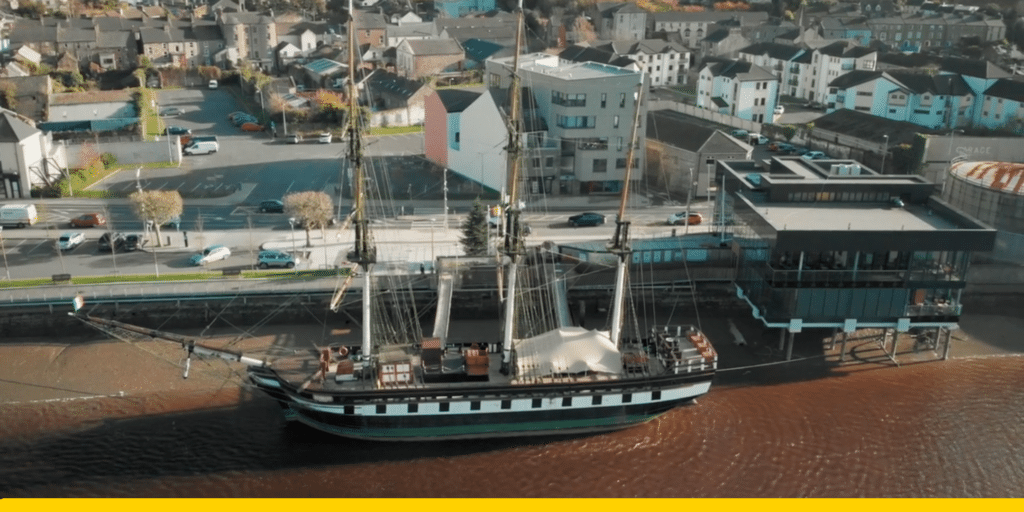
CFI supported the JFK Trust in Co. Wexford with finance towards the upkeep of the Dunbrody Famine Ship Visitor Experience.

The Airbnb Rural Tourism Fund has committed €200,000 to the Rural Tourism Fund. Grants of up to €20,000 available to local organisations and communities across Ireland whose work champions rural tourism.

Initiatives of all sizes that support rural tourism in Ireland and bring real benefits to local communities are eligible. In particular projects that encourage visitors to explore rural Ireland. Projects like:

  • Outdoor & Activity: Initiatives that promote Ireland’s natural landscapes and outdoor experiences – from walking trails and water sports to cycling routes and adventure tourism.
  • Heritage & Arts: Projects that celebrate or preserve Ireland’s culture, history and heritage – festivals, traditional crafts, historical sites and the stories that make rural Ireland unique.
  • Hospitality & Food: Initiatives that showcase the best of Irish food, drink and hospitality – supporting the local producers, restaurants, pubs and experiences that give visitors a taste of rural Ireland.
  • For this programme, initiatives that involve improving or providing new accommodation will not be considered.
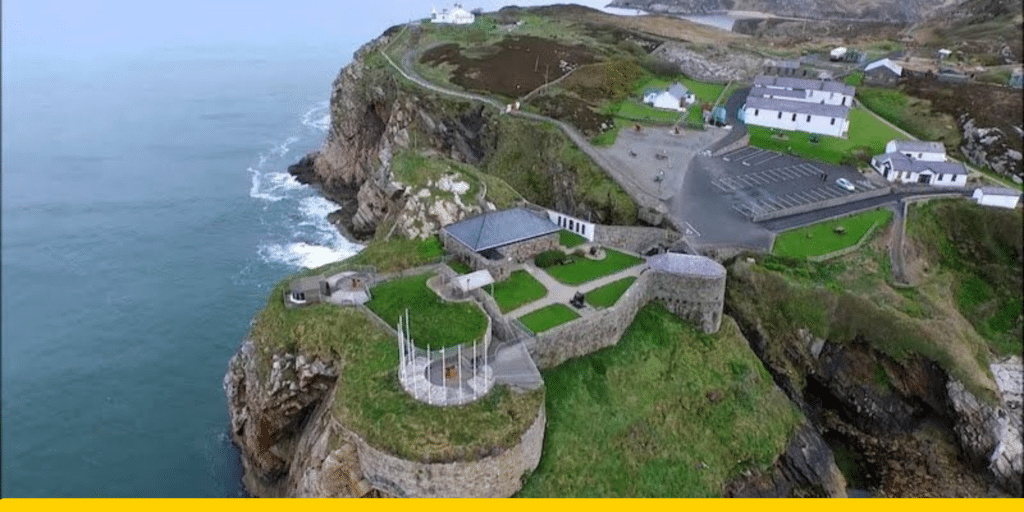
Community Finance Ireland have supported Fort Dunree Military Museum with finance towards the upgrade of their facilities in rural Donegal .

How to Apply

Interested applicants should submit an application via the entry form by 23:59 on 16 September, 2026. Applications will be assessed based on eligibility and alignment with the fund’s goals. Successful applicants will be awarded funding to help bring their project to life. Please note: Grant funding will be allocated in December 2026. If your initiative takes place before then, please explain how you’d use the funding for future activities instead.

Additional Support Available from CFI

CFI has supported community groups, charities, social enterprises, and local organisations to access finance for projects with real social impact. We know that Rural Tourism projects often need more than a good idea. They need flexible funding, practical support, and a partner who understands rural places. We can help organisations develop visitor facilities, improve community assets, upgrade services, and create new experiences that benefit both visitors and local people.

Next Steps

If you have a Rural Tourism project that could make a difference in your area, we want to hear from you. Get in touch with Community Finance Ireland to talk through your plans. You can also fill out the Airbnb Rural Tourism Fund form and take the next step towards bringing your project to life.

Share this article:

Community Finance Ireland is helping Kilcreggan Homes create more supported living opportunities for adults across Northern Ireland.

The funding will support safe homes, practical care and meaningful day opportunities for adults with learning disabilities, autism and acquired brain injuries. It will also help to expand its work in Magherafelt and Ballymoney.

Kilcreggan Homes Supporting Independent Living

Community Finance ireland Kilcreggan Homes Lending
L-R, Damien Cassidy, Managing Director of Kilcreggan Homes and Phelim Sharvin, Head of Community Finance Ireland, Northern Ireland, pictured at Kilcreggan Homes Carrickfergus site, with Suki the therapy pony.

The charity supports around 180 vulnerable adults across Northern Ireland. Its services include supported housing, day opportunities, supported employment and volunteering pathways.

The charity is based in Carrickfergus and now works across Newtownabbey, Larne and Mid Ulster. In Magherafelt, it also runs the award-winning Mid Ulster Sanctuary, a therapeutic farm that offers wellbeing support and meaningful activities.

New Supported Living Home in Magherafelt

With support from Community Finance Ireland, Kilcreggan Homes has bought its first supported living property in Magherafelt. The new home will help people live more independently in their own community.

It will also link closely with the Mid Ulster Sanctuary. This connection will give the individual access to therapeutic space, wellbeing support and the charity’s wider services.

Respite & Short-Break Facilities

Kilcreggan Homes Community Finance IReland
L-R, Phelim Sharvin, Head of Community Finance Ireland, Northern Ireland, Damien Cassidy, Managing Director of Kilcreggan Homes and service users Lynn and Grace pictured at Kilcreggan Homes Garden Centre.

Kilcreggan Homes has also committed £1 million to a new project in the Ballymoney area. The project will provide short breaks and respite facilities for families and adults with learning disabilities.

The Department of Health and local health trusts have identified this as a priority need. Through the project, Kilcreggan Homes wants to improve access to safe, specialist and restorative support.

Finance with Lasting Community Impact

Community Finance Ireland provides flexible, ethical finance for charities, social enterprises, community groups and voluntary-led organisations. It supports projects that deliver clear social impact.

Kilcreggan Homes shares that purpose. Since its first build in 1994, the charity has grown services around the people it supports. Today, it helps adults take part in community life, build confidence and make a meaningful contribution.

Get in Touch

Planning a project with social impact? Community Finance Ireland offers flexible and ethical finance for charities, social enterprises and community organisations. Get in touch with our team to find out how we can help your project move forward.

Share this article:

Across County Wexford, local communities are taking practical steps towards a greener, more sustainable future. Communities across the county will see the impact in their clubhouses, community halls, care services and shared spaces.

Twenty-three community-led organisations have secured a combined €746,066 through the second phase of Wexford County Council’s Community Climate Action Programme to deliver projects that will make local facilities more energy efficient, resilient and fit for the future.

Wexford Grants Castletown Liam Mellow's GAA
Castletown Liam Mellows GAA awarded €36,000 as part of the scheme.

Community Finance Ireland sees this as exactly the kind of locally rooted investment that empowers communities to turn ambition into action. Whether through energy upgrades, building retrofits, EV charging, biodiversity measures, circular economy projects or local food production, these initiatives show how climate action can begin in the places people know and use every day.

The groups supported reflect the wide reach of community life in Wexford. Here is the detail of the community grant awards:

Castletown Liam Mellows GAA €36,000
Clongeen Community Development Group €76,460
Curracloe United €31,480
Duncannon Seaview FC €12,600
Enniscorthy Rugby Club €87,281
Horeswood GAA Club €9,695
HWH Bunclody GAA Club €80,465
Killanne Church Select Vestry €22,330
Kilrane Rosslare Harbour Community Centre €65,275
Kilrush Camogie Club €11,405
May Byrne Community House€6,315
Monageer/Boolavogue GAA €48,785
Murrintown Community Centre CLG €72,105
Rathgarogue-Cushinstown GAA €8,550
Rathnure St. Annes GAA €9,875
Reachability Bellefield €31,200
St. Aidan’s Community Hall €13,450
St. Brigid’s Blackwater GAA€19,395
St Mary’s Day Care €16,660
St. Mogues GAA €17,650
Terrerath Muintir Na Tire Community Council €13,330
The Rock Community Social Club €25,760
Wexford Harbour Boat & Tennis Club €30,000

Local Projects With Lasting Impact

What connects these organisations is more than geography. Each one plays a role in bringing people together, supporting participation and strengthening the social fabric of its community. By investing in sustainability at this local level, the programme is helping community assets become more affordable to run. By supporting these community groups with grant funding, the programme is helping them build a stronger and more sustainable future.

Wexford Grants St. Aidan's Hall
St. Aidan’s Community Hall looking to implement sustainable energy with over €13,000 investment.

At Community Finance Ireland, we see every day how access to the right finance and support can unlock progress for community organisations. Climate-focused projects are a powerful example: they support environmental goals while also helping groups manage costs, improve facilities and continue delivering services that matter locally.

As these Wexford projects move forward, they will add to a growing island-wide story of communities leading change from the ground up. For groups thinking about their own next step, the message is clear: practical climate action can start close to home. With the right support, it can create lasting value for people, place and planet.

Get in Touch

Community Finance Ireland have a strong history of helping to support the drawdown of grants like these. Community groups often need to cover the upfront costs of these projects themselves, as grant funding is only released once the work is complete. CFI can provide bridging finance to help groups get started, with the loan repaid in full when the grant funding is received.

Get in touch today to see how we can help.

Share this article:

Ireland has opened applications for 2027 built heritage funding schemes to support the conservation, repair, and protection of historic buildings and traditional structures.

The Irish Government has opened new funding opportunities to support the conservation and protection of the country’s historic buildings. Applications now available for projects planned for 2027. The Built Heritage Investment Scheme (BHIS) and related heritage funding programmes aim to help owners and communities preserve important architectural assets. While also keeping traditional buildings in active use.

Built Heritage Funding Scheme

Supporting Heritage Projects Up to €50,000

The funding schemes are designed to support repair and conservation work on protected structures. As well as historic buildings, traditional properties, and important architectural features that contribute to Ireland’s cultural landscape. Through these grants, property owners and custodians can access financial assistance. This is in order to carry out essential maintenance, restoration, and improvement works while respecting the historic character of buildings.

The Built Heritage Investment Scheme provides grants ranging from €2,500 to €50,000 for eligible conservation projects. The programme also includes support streams for vernacular buildings and historic shopfronts. This will help protect a wide range of structures that reflect Ireland’s architectural history and local identity.

A dedicated funding stream for historic thatched buildings is also available. Aiming to recognise the importance of preserving traditional construction methods and specialist craftsmanship. The initiative supports owners in maintaining these unique structures while helping ensure that traditional skills and heritage practices continue for future generations.

Sustainable Communities

The government’s investment in built heritage also supports wider goals related to sustainable communities and the reuse of existing buildings. Protecting historic properties can contribute to local regeneration, preserve cultural character, and encourage the continued use of buildings as homes, workplaces, and community spaces.

The funding schemes are administered through local authorities, which work with applicants to support conservation projects in communities across Ireland. By providing targeted financial support, the programmes aim to strengthen the preservation of the nation’s historic environment while supporting skilled conservation professionals, craftspeople, and traditional trades.

As applications open for future heritage projects, the initiative highlights Ireland’s continued commitment to protecting its architectural legacy. Investment in built heritage ensures that historic structures remain a valuable part of communities while safeguarding the stories, skills, and traditions connected to them.

Get In Touch

Have you been awarded grant finance but need to bridge a gap in funding? Get in touch for more information on how CFI can help you.

Share this article:

Communities across the country have been celebrating the recent award of funding from the CLÁR (Ceantair Laga Árd-Riachtanais) Programme.

The Irish Department of Rural and Community Developmen launched the CLÁR 2025 programme earlier this year. This week they announced the organisations who have been awarded funds from the scheme. With an increased budget of €12.3m, its impact on community projects, specifically in rural areas has been profound.

Carnaross GAA in Co. Meath will receive €78,000 CLÁR funding towards the upgrade of their car parking facility.

CLÁR Funding Providing Essential Facilities

In Co. Cork alone, the fund has helped 11 grassroots community organisations to avail of €650,000 towards projects. Projects like the development of community car parks and the modernisation of community hall facilities. As well as the development of multi-use games areas at rural sports clubs and the installation of community playgrounds.

Speaking on the announcement, the Mayor of County Cork Cllr. Mary Linehan Foley said:

“We welcome this significant investment from The 2025 CLÁR Programme, as it allows us to both enhance existing facilities and create new amenities that benefit the communities of towns and villages across the County of Cork.”

Knockananna Community Amenity Group will receive €65,000 in CLÁR funding to enhance their community playground at their base in Co. Wicklow

Requirement for Upfront Capital

Community Finance Ireland recognise that government grant facilities like CLÁR funding is awarded to these organisations retrospectively. I.e. after the work has completed. We understand that not all community organisations are in a position to have the capital upfront. Therefore to undertake this work and get their project started, sometimes meaning they are unable to avail of the support.

CFI have worked with many organisations who have been in this predicament. We provide short term bridging finance. These groups can then easily repay once the work has completed and they have been issued their grant fund award.

Glen of the Imaal Mountain Rescue Team. They will receive €80,000 towards the provision of new rescue vehicles from the CLÁR grant scheme.

Creating Borrower Confidence

One recent example of a community organisation who did just that is Pallasgreen Templebraden Community Council. They were in receipt of a local council grant, However they required bridging funds to get started. The Council’s Treasurer Jo Bailey approached Nora Keogh CFI’s Client Relationship Manager for her local area in rural Limerick.

Jo explains the importance of bridging finance in the community sector:

The result of utilising bridging finance has been transformative for Jo and her team at Pallasgreen Templebraden Community Council. This approach has it enabled them to provide the facilities that their community needed. As a result they now have a fantastic playground space, a sensory garden and walkway and significant upgrades to their community hall. Perhaps as important, it also has increased their financial confidence, resilience and sustainability.

Has your community group been successful in applying for CLÁR funding? If you need help getting started, get in touch today. We’ll arrange a chat with the Client Relationship Manager working in your area to talk through your options.

Share this article:

The Sports Capital and Equipment Programme, Leader Funding, Tidy Towns Grants, the Clár Programme and the Town and Village Renewal Scheme. What do all these community grant schemes have in common? Community groups often need Bridging Finance to unlock them.

Despite being a vital lifeline for community groups across the country, these grant schemes require that community groups have the funds to pay for their projects up front. Organisations only receive the grant award retroactively when they complete the project. Some schemes require the community groups to source match funding from other sources in order to receive pay out of the grant.

Some of the local children in Ardagh who have benefitted from the new astro-turf facility completed thanks to bridging finance from Community Finance Ireland. Photo credit: Brian Arthur.

Unlocking Government Grants

This can be a massive problem for community groups who often don’t have the upfront finance to cover this cost. The groups have, in theory, been allocated the funds to complete their project. But there is a gap in being able to find the funding to get the project started. This is where bridging finance from Community Finance Ireland can help.

Community Finance Ireland have worked with hundreds of community groups across the island of Ireland. We found that this is one of the biggest barriers communities face when striving to have a positive impact. Especially when trying to kick start a project.

One recent example is Ardagh District Sport and Recreation CLG. Founded in 2017 to provide West Limerick with sports facilities, the group secured a Leader Grant for an astro-turf pitch and floodlit walkway. A condition of their grant award was that they must source match funding from a secondary source. This is when the group contacted Community Finance Ireland to see if they could help.

Ardagh DSRC’s ball wall facility being used by camogie players from the area. Photo Credit: Brian Arthur

Providing Finance Solutions

Nora Keogh, Client Relationship Manager at Community Finance Ireland said:

“At Community Finance Ireland we are dedicated to working with grassroots community groups like Ardagh DSRC to provide finance solutions quickly, so that they can be empowered to enhance their facilities and offer their local community what they need. In this case, we provided a combination of term and bridging loan finance that enabled the group to draw down a government grant. It has been an honour to help the club to put in place new facilities that were lacking for the whole community, allowing them to participate in the sports that they love.”

Speaking of her experience working with Community Finance Ireland, Deirdre Ambrose, committee member for Ardagh DSRC said:

“We would not have been able to complete our project without Community Finance Ireland. We had an absolutely wonderful experience with them and would have no hesitation in recommending them to any other community group who like ours found themselves with a funding deficit and the need for additional capital to draw down a grant.”

Find Out How Bridging Finance Has Helped

You can watch the full impact CFI is having on grassroots community groups in our short video:

Need to bridge a finance gap for your next project? Get in touch to see how we can help.

Share this article:

Earlier this week Northern Ireland’s Communities Minister Gordon Lyons launched the new £4m Community Infrastructure Fund.

The Northern Ireland Community Infrastructure Fund is a small capital grant scheme for voluntary and community organisations. The Fund is a £4.32 million grant scheme. It aims to support voluntary and community sector organisations. To help improve the internal or external fabric of their existing community buildings. The fund is being delivered by the Department for Communities in partnership with Co-operation Ireland.

The aim of this fund is to enable community organisations to better meet the needs of their community. Achieved through improvements to the quality and range of activities delivered in community buildings. The Fund will provide grant support for voluntary and community organisations. Up to £40,000 towards upgrades for community facilities right across Northern Ireland and includes:

      ✅ Repairs to existing community buildings. (Refurbishment or structural repairs).
      ✅ Small scale refurbishment or renovation works to improve communal facilities. (e.g. kitchen and toilets).
      ✅ Capital works for accessibility improvements. (Upgrades such as ramps or lifts).
      ✅ Energy efficiency measures. (Boiler replacement, window upgrades, solar panels).

Application Process

The scheme will open for Expressions of Interest on 1 October 2025. Applications close on 29 October 2025. Projects will have to be delivered between 1 April 2026 and 31 March 2027. The full application must be submitted by 9 January 2026. 

Further Information

You can read full Guidance Notes for the fund here. A series of information sessions will be hosted across Northern Ireland in 1-10 October to provide further information. To register for one of these sessions or for more information on the fund, visit the Department’s website here.

Share this article:

In the recent funding landscape, bridging loan finance is proving more vital than ever for community groups. In Ireland, a number of central government and local council grants (e.g. Sports Capital and Equipment Scheme, LEADER, the Town and Village Renewal Scheme) have made significant contributions in helping community groups to transform their facilities in their local area.

These grants however often require match funding or are paid to the community group retrospectively, i.e. after the project completes. This leaves a funding gap and can often make it difficult for community groups to start projects.

Bridging Finance Filling the Funding Gap

Community Finance Ireland can provide match funding in the form of term loan finance, can provide bridging loan finance to fill that shortfall in funding or a combination of both dependent on the requirements of the grant.

CFI Client Relationship Manager Nora Keogh welcomes the opening of new community playground in Pallasgreen Templebraden Community Council’s Limerick base. Photo credit: Brian Arthur.

Debt Can Be Daunting

We understand that borrowing can be daunting and can be a huge step for community groups who may be doing so for the first time. This is why at Community Finance Ireland we dedicate a Client Relationship Manager to you for the duration of the lending process. From initial enquiry and beyond. Our team are happy to visit you in person and help guide community groups with the support they require to get their projects off the ground. This can range from offering advice, tailoring your loan to meet your specific needs, outlining and simplifying the application process to remove any unnecessary paperwork, discussing repayment terms to make it as manageable as possible for your community and not asking for personal guarantees from committee members.

One recent example of a community organisation who did just that is Pallasgreen Templebraden Community Council. When they were in receipt of a local council grant that required bridging funds to get started, the Council’s Treasurer Jo Bailey approached Nora Keogh CFI’s Client Relationship Manager for her local area in rural Limerick.

Jo explains the importance of bridging finance in the community sector:

Transformative Finance

The result of utilising bridging finance has been transformative for Jo and her team at Pallasgreen Templebraden Community Council. It enabled them to provide the facilities that their community needed. Providing a fantastic playground space, a sensory garden and walkway and significant upgrades to their community hall. But it also has increased their financial confidence, resilience and sustainability.

The group borrowed the funds from Community Finance Ireland to bridge the grant funding gap. Jo remarked that this has been a huge lifeline and has increased her confidence in her role as Treasurer:

“Was it very scary at the beginning? – Yes. Is it scary now? -No. That’s really down to the exceptional help provided by Nora and the team at Community Finance Ireland. Without that support, our projects wouldn’t have happened. Nora was excellent in helping us get started, chatting through our different options and taking the time to understand our needs. We started with a small amount to get the playground done and then borrowed again for the three phases to renovate the hall. We’re in the situation now that we have borrowed from Community Finance Ireland four times and we’re planning to do a fifth time now if we get the grant approved to install solar panels on the roof of the building.”

CFI Client Relationship Manager Nora Keogh catches up with the team from Pallasgreen Templebraden Community Council. At her recent visit she saw the completed community playground. Photo Credit: Brian Arthur

Pallasgreen Templebraden Community Council are just one of many community organisations that Community Finance Ireland has helped in recent years. We make sure that community groups have access to the relevant funds. But also the correct information to help them provide for their local area. If your community needs help getting started, get in touch today and we’ll arrange a chat with the Client Relationship Manager working in your area.

Share this article:

Community Finance Ireland will make essential funds available to capital projects in communities across Northern Ireland. This is thanks to a brand new £13m loan fund managed by Community Finance Ireland (CFI).

Department for Communities has made the Financial Transaction Capital (FTC) Fund available. It will address social need through targeted funding to help communities meet objectives set out in the draft Programme for Government.

First Recipients of the Fund

Crusaders Football Club is based in North Belfast. They are first recipient of the loan fund. And will use for the installation of a 3G pitch at its Loughshore Road Grounds. A facility used by its women’s and youth teams.

Donal Traynor, Group Chief Executive of Community Finance Ireland (CFI), welcomed the new tranche of funding. At a visit to Crusaders Football Club, he said:

“This new programme offers the most substantial capital intervention to the social finance space in Northern Ireland, ever. As the most progressive community lender with over 20 years of history working with local communities in Northern Ireland, our team are ready to speak to community and social enterprise projects seeking financial support, and to channel the distribution and management of this capital.”

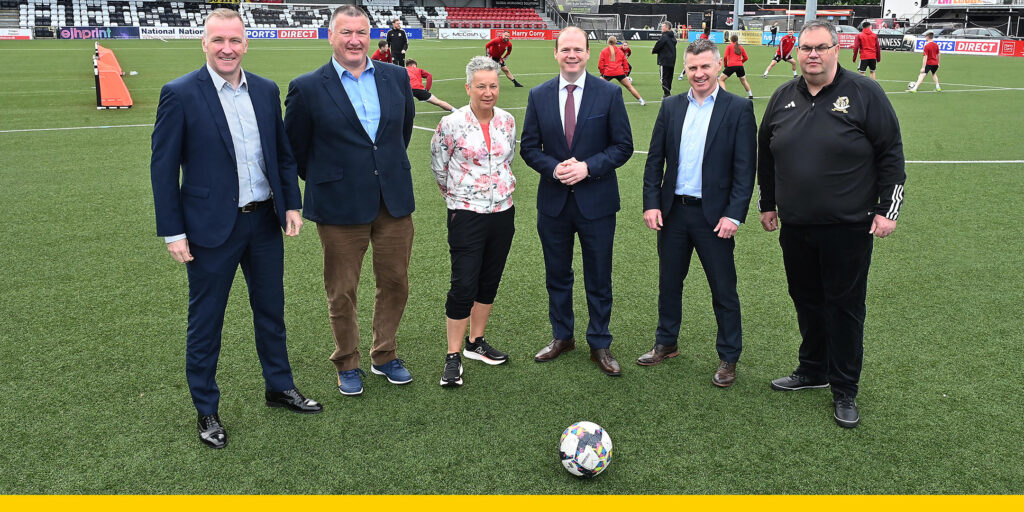
Pictured (L to R). Phelim Sharvin (CFI), Mark Langhammer (Crusaders FC), Sue O’Neill (Crusaders FC), DfC Minister Gordon Lyons, Donal Traynor (CFI), Tommy Whiteside (Crusaders FC).

Delivering Social Return on Investment

Loans of £10,000-£500,000 will be available for terms of up to 15 years, with no penalties for early repayment. Where community projects demonstrate a need for a larger loan amount, CFI can consider making match funding available.

CFI have a current social value return of £3.42 for every £1 invested. Therefore they can help organisations to create significant positive change in their communities. Change that far exceeds the face value of the loan. It’s an exciting opportunity for communities and CFI look forward to seeing the impact from projects. This includes projects like the new 3G pitch at Crusaders Football Club.

Minister for Communities, Gordon Lyons said the scheme would provide targeted funding to the VCSE sector: 

“The Voluntary, Community and Social Enterprise sector is hugely important for our local economy, providing much needed employment opportunities as well as vital community support. It is great to visit Crusaders FC to see their plans for a new training base for their ladies and youth teams and meet some of the people who will benefit from the investment. As the Minister for Sport, I’m pleased to see projects which will increase participation in sport, encouraging people to be more active, more often.”

Minister Lyons added:

“This scheme goes beyond the benefits these bricks and mortar projects will deliver. It also increases accessibility to facilities and builds community confidence, offering sports, cultural and social enterprises access to sustainable funding. Funding streams like this one can offer the VCSE sector a financial lifeline at a time when organisations are facing challenging budgetary conditions.”

Mark Langhammer, Crusaders FC Vice Chair said:

“Crusaders Football Club are delighted to work with Community Finance Ireland in developing training facilities that will particularly benefit the female and junior sections of our club and surrounding area. The close relationship, added value and flexible nature of the finance provided by Community Finance Ireland best allows us to deliver on our plans and make modern football facilities available to everyone.”

The £13 million investment will be made by the Department for Communities in three tranches to 2025/26. £4.333m has already been released to the scheme and loans totalling £576k have recently been made available to three projects.

Community Finance Ireland will apply their existing business model to prioritise projects for investment and manage repayments; the investment will be repaid to the Department for Communities over 15 years from drawdown.

If your community group or sports club has a project in mind that we can help with, then get in touch today to speak to one of our client relationship managers working in your local area.

Share this article:

📢 Attention All Communities! 📢

Almost €9 million in funding is now available under the 2024 CLÁR (Ceantair Laga Árd-Riachtanais) programme. This funding is specifically aimed at supporting community and sports facilities nationwide. With a particular focus on areas that have faced significant population decline.

Here is the breakdown of what’s available:

  • Measure 1: Grants ranging from €5,000 to €50,000. For community and sports facilities, youth clubs, playgrounds, sensory gardens, walking tracks, and more.
  • Measure 2: Support for voluntary groups providing free transport for cancer care. As well as Community First Response Support, Search and Rescue organizations, and this year, meals on wheels services. Maximum grants of €50,000 for a car and €100,000 for a bus.
  • Measure 3: Aimed at supporting offshore island communities. With maximum grants of €120,000 for community transport projects and up to €50,000 for amenities projects.

CLÁR Programme 2024

CFI understands that you may need additional support, such as swift bridging finance, if your government grant gets approval.

That’s why our local relationship managers are here to support you at that key stage in the overall process. CFI’s dedication helps you drawdown that much needed grant award, regardless of your location.

If you want to access CLÁR 2024 funding or need help drawing down an approved grant, contact us today. Our team will work with you to maximize your successful application.

Get In Touch

Get in touch with Community Finance Ireland’s seasoned navigators who are here to help you access Bridging Finance.

More info from the department visit their website.

Share this article:

On 9 October 2023, Sport NI opened a new £1million pound capital investment fund. This fund seeks to reduce the environmental impact of sports clubs throughout Northern Ireland. While also contributing to a more sustainable sports club network.

The Renewable Energy Fund is funded by the National Lottery. It will support sports clubs with infrastructure upgrades. Upgrades such as solar energy systems, air and ground source heating systems, sustainable water recycling solutions, and floodlight upgrades.

The Renewable Energy Fund will be delivered as a pilot programme in 2023/24, as Sport NI gathers information on which environmental interventions have the greatest impact within sports clubs. The fund was developed using feedback from sports clubs through Sport NI’s Environmental Sustainability Survey.

Investment will be spread across Northern Ireland with at least one club from each of the 11 council areas being selected to take part. To be eligible, clubs must have completed Sport NI’s Environmental Sustainability Survey.

Phelim Sharvin, Head of Community Finance for Northern Ireland at Community Finance Ireland said:

“I welcome the announcement of this new initiative from Sport NI which will enable sports clubs across Northern Ireland to invest in infrastructure upgrades in line with renewable energy ambitions. Not only will the initiative have a positive impact on the environment but it will reduce clubs’ long term energy costs, allowing them to invest the savings into other areas of the clubs’ development.”

WHO CAN APPLY?

  • The Renewable Energy Fund Pilot Programme will only accept applications from sports organisations in Northern Ireland who either own or operate their own sports facilities.

WHAT TYPE OF PROJECTS CAN BE FUNDED?

  • Sport NI are interested in taking forward the following types of energy projects within sports clubs:
  • Solar Energy Systems (and ancillary equipment).
  • Air Source Heating Systems (and ancillary equipment).
  • Ground Source Heating Systems (and ancillary equipment).
  • Sustainable Water Recycling Systems.
  • Fixed Floodlight Upgrades (Specifically upgrades to LED Bulbs and Connection to Grid).
  • Sport NI may consider alternative interventions if recommended in your club energy audit, and if the benefits of that intervention have been clearly articulated.

If you are ready to apply to the Sport NI Renewable Energy Fund, click here for more details.

Share this article:

Community Finance Ireland has today (24 June 2021) announced a £/€10 million All-Island Recovery Loan Fund, its first all-island loan scheme. The fund will offer flexible loans of £10,000-£250,000 (NI) and €10,000 to €500,000 (RoI) to community sector organisations including faith-based groups, sports clubs and social enterprises.

Commenting on the launch, Dónal Traynor, Chief Executive of Community Finance Ireland said:

“Throughout the pandemic we witnessed the incredible resilience of the community sector, with many pivoting their offerings and exploring new opportunities for development.  The All-Island Recovery Loan Fund is open to organisations who want to build on these new opportunities to recover, rebuild or reimagine what they can bring to their local community.

“Despite the challenges of Covid-19 and public health restrictions, our client portfolios performed well over the past year and at Community Finance Ireland, we have nothing but confidence in the sector and its ability to play a pivotal role in bringing our local communities back together and to create something new in response to the changes our communities have undergone during the past year.”

Mr Traynor continued:

“The flexible nature of the fund with the added value of a one-to-one relationship with a dedicated client manager who knows the sector and the local area, makes it a great option for communities exploring how they can become more attractive locations for people to live and work.

“The All-Island Recovery Loan Fund supports longer term loans plus shorter-term bridging loans.  There are no time restrictions around funding and we will respond to applications within 48 hours of receipt.”


Here’s What You Need to Know

1. What loan product types are available?

  • Short term bridging loans to facilitate retrospective drawing of grant support (interest only, plus grant upon redemption).
  • Longer term loans with bespoke repayment schedules.

2. What geography does the fund cover?

  • Northern Ireland, Ulster, Munster, Leinster and Connacht.

3. What is the loan range?

  • £10k – £250k (NI).
  • €10k – €500k (RoI).

4. What is the term range?

  • 1 month – 180 months.

5. What is the interest rate?

  • Maximum 6.25%*, calculated on a reducing balance.
  • *The lowest maximum rate across the island.

6. Is there an arrangement fee?

  • No*
  • *The only bridging product available across the entire island to do so.

7. What security is required?

  • None on bridging loans.
  • Most of our term loans are also unsecured.
  • No Personal Guarantees are required.

8. Is there an Early Repayment penalty?

  • No.

9. How long does a loan decision take?

  • 48 hours for any loan request of up to £/€200k once we have all of your final information.
  • Up to 4-6 weeks for loan request in excess of £/€200k.

10. How do I apply?

  • You can get started now by clicking here and completing an online application.
  • Or if you need to chat to us first click here and we will arrange a follow up call with either Phelim, Peter, Emmett, Barry or Anne depending on where you and your team are located.

Share this article:

Minister Deirdre Hargey announced the release of £7.5 million to support NI based charities. The Covid Charity Fund will be delivered by Community Finance Ireland.

Communities Minister Deirdre Hargey has announced today the release of over £7.5 million. This is to support charities facing financial difficulty as a result of the pandemic.

Phase 2 of the Covid Charity Fund will see over 300 charities offered funding. The money is awarded to support unavoidable costs and eliminate deficits accumulated by charities. Running from 1 October 2020 to 31 March 2021. With individually tailored awards of up to a maximum of £75,000 per charity. 

Minister Hargey said:

“This funding is vital for charities who have lost income from fundraising and trading activity as many are still facing unavoidable costs, even if they are not currently operating or have reduced services.

“Along with £8.8m awarded in Phase 1 of the Covid-19 Charities Fund, this will bring the total disbursed by my Department to support charities during 2020/2021 to £16.3million. The Executive allocated my Department with £15.5m in May 2020 and I secured additional funding to ensure that all local charities’ needs could be met in full.”

Ms. Hargey thanked Community Finance Ireland for helping the Department deliver the much needed Covid-19 Charities Fund. She extended her thanks to NICVA. The charity has promoted the Fund. As well as supporting they provided to applicants to ensure local charities had help to apply..

Community Finance Ireland will deliver Phase 2 of the Fund. This follows successful delivery of Phase 1 by The National Lottery Community Fund who disbursed £8.8million to over 500 charities. This helped support them in the period up to 30 September 2020.

Donal Traynor, Group Chief Executive of Community Finance Ireland said: 

“We are delighted to help deliver Phase 2 of the Covid-19 Charities Fund on behalf of the Department for Communities. We delivered £9.25m on behalf of the Department through the Covid Social Enterprise Fund last autumn and are well aware of the importance of this type of support to the sector. Our approach to the Fund has been to bring our team’s skills and sectoral knowledge to aid a fair and swift assessment of a charity’s specific needs and make an award which meets those needs in full.“

All applicants will receive a letter of offer over the coming weeks. Mr Traynor encourages applicants to return their acceptance as soon as possible. This will ensure that the team can move swifly to payment stage.

Make an enquiry today.

Share this article:

Earlier this summer CFI were accredited as a lender under the Coronavirus Business Interruption Loan Scheme (CBILS).

This initiative, created directly to help those impacted by Covid-19, is welcome news for UK based Social Enterprises and Charities (as well as small and medium sized businesses).

As an accredited lender under the British Business Bank’s CBILS scheme, we are delighted that we can continue to support those amongst us, who are working to make a positive impact on society or the environment but are working through the impact of Covid-19 to their ideas or projects.

If you are re-setting or re-collaborating a CBILS loan could be very attractive and timely

Reduce your cost of funding.
The scheme promises no interest or fees payable in the first year – these costs will be covered by the Government’s Business Interruption Payment.

No need to provide personal guarantees
For a facility up to £250,000.

Here is a Confidence Checklist:

How much can I borrow? 
The range is between £50k -£500k+.  

Do I have to apply to the British Business Bank?
No. Community Finance Ireland and in particular our Associate Director, Phelim Sharvin are on hand locally to handle every aspect with you.  

I’m an existing client, can I apply for CBILS?  

Of course. The fund is for open to all social enterprises or charities if they meet the loan criteria.

How long does the application take?  

If you are fast – we are fast. There is supporting paperwork you need to pull together but once we have that – it can be all in place in a matter of weeks.

Can I repay my CBILS facility early?  
Yes and without any early repayment fees.
Need to chat further?
We speak finance but we hear people. Associate Director, Phelim Sharvin is ready to listen and has already approved CBILS funding to NI clients. Contact him directly on 07803834124

You are eligible to apply if you answer yes to any of these short criteria:  
Your business has been adversely impacted by Covid -19
 Your CBILS-backed facility will be used primarily to support trading in the UK.  
 You are able to confirm that your business generates more than 50% of its turnover from trading activity e.g. Sports clubs may include some fundraising, event income and gate receipts (registered charities are exempt).  
 You are a UK-based small or medium sized enterprise with an annual turnover of up to £45 million per year.  
 Please note: The following are not eligible under CBILS:
• banks, insurers and reinsurers (but not insurance brokers),
• public sector bodies,
• state funded primary and secondary schools.

The borrower always remains 100% liable for the debt.

The Coronavirus Business Interruption Loan Scheme (CBILS) is managed by the British Business Bank on behalf of, and with the financial backing of, the Secretary of State for Business, Energy & Industrial Strategy. British Business Bank plc is a development bank wholly owned by HM Government. It is not authorised or regulated by the PRA or the FCA. Visit british-business-bank.co.uk.

Share this article:

Community Finance Ireland has recorded its highest ever level of funding for the CVSE sector in Northern Ireland, a report launched today has revealed.

The annual social impact report fromCFI reported loans for community organisations in NI to the value of £14.2m between 2016-2019.

The all-island report is a first for Community Finance Ireland. CFI has loaned £26m across the island of Ireland in the last four years. Citing more than half of all customers (54%) based in Ulster.

As Ireland’s fastest-growing social finance provider, the organisation works with groups that drive social impact. This includes sports clubs, social housing organisations, community projects, faith-based groups and social enterprises. Phelim Sharvin, Associate Director, Community Finance Ireland said:

“We can provide loans ranging from £10,000 up to £500,000 but an average loan request is typically £100,000. In our 20-year history, first as UCIT and now as Community Finance Ireland, we have helped more than 500 organisations across Northern Ireland, spanning the arts and culture, hospitality, faith and sports sectors. We have seen first-hand the force for good behind these organisations and the positive change they make to the communities or end users they serve. We’re only too glad to support these extraordinary change-makers in their ambitions to enable change in our society.”

Phelim Sharvin, Associate Director Community Finance Ireland

The CFI published the report to coincide with a rebranding initiative. As a result it will see the organisation will now be known as Community Finance Ireland in both NI and the Republic of Ireland. The organisation unveiled a new logo, website, client videos and a podcast as part of the rebrand.

Community Finance Ireland Chief Executive Harry McDaid said:

“While the organisation’s trading name is changing in Northern Ireland, our collective purpose remains the same – to support people changing their communities for the better across the island. The response to Covid-19 has highlighted a public desire for greater collaboration and cooperation between Northern Ireland and the Republic of Ireland. This first all-island annual report and our brand reflects a renewed focus for the organisation operating on an all-island basis and signifies a new era for the organisation.”

Harry McDaid, CEO Community Finance Ireland

Since 2013 CFI has managed the Northern Ireland Small Business Loan Fund on behalf of Invest NI. In 2018 they were awarded the latest contract. The loan level is up to £100,000. This means the new Fund has the potential to lend over £9 million to local SMEs. Which will help businesses to optimise their potential through investment. To date, CFI have disbursed approximately £10m to SMEs across NI Communities.

Click here to learn more about CFI and how they have helped NI Communities.

Share this article:

Community Finance Ireland has welcomed the announcement today by the Social Finance Foundation. They will make available new funding initiatives targeted at community organisations and social enterprises.

The Social Finance Foundation (SFF) is an independent organisation established by government in 2007. It provides loan funding to social organisations through lending partners including Community Finance Ireland.

Today, SFF announced that:

  1. Facilitated by Banking and Payments Federation Ireland, the Irish banks (AIB/EBS, Bank of Ireland, permanent tsb and Ulster Bank
  2. They will make available an additional €44 million in low-cost funding to SFF over the period 2021 to 2025; and
  3. The European Investment Fund has agreed to provide loan guarantees totalling €25 million to support new lending by the Foundation.

Access to Community Finance When it is Really Needed

Welcoming the announcement, Dónal Traynor, Associate Director of CFI, said:

“These measures confirm access to capital for the community and social enterprise market for at least another five years, at a time when it is really needed.

“With the fallout from the Covid-19 pandemic, we anticipate a reduction in grant funding to the community sector generally, so – in the coming years – social finance will play an increasingly vital role in supporting community organisations and social enterprises. At the same time, Covid-19 has starkly shown the importance of community solidarity, ‘social capital’ and sustainability within communities. The SFF measures announced today will help us continue our support to grassroots communities groups and, in turn, will help groups provide essential services in their local areas.

“We have been proud partners of SFF since our accreditation with them as a Social Lending Organisation in 2008. Right across the island of Ireland, Community Finance Ireland works with groups that drive social impact, including sports clubs, social housing organisations, community projects, faith-based groups, and social enterprises.

“We can provide loans ranging from €30,000 to €500,000, and our finance products are specifically tailored for the community sector. We have waived arrangement fees to make loans as accessible and cost-effective as possible, we have a quick turnaround time for lending decisions, and – given the organisations we lend to are typically run by volunteers – we do not ask for personal guarantees.

“Since the start of 2020, Community Finance Ireland has already approved loans of €3,900,000, supporting community organisations to acquire new premises and equipment, restructure current debt, and bridge financial gaps caused by delayed grants or other postponed income. The new SFF initiatives announced today will ensure we can continue this important work well into future years.”

Donal Traynor, Associate Director of CFI

Credibility of Social Finance Sector

Mr. Traynor said the SFF initiatives – and the support for them from industry groups – demonstrate the credibility of the social finance sector, and will open up funding opportunities to a wider range of community groups.

“This commitment from Banking and Payments Federation Ireland is a testament to the credibility of the social finance sector, and to the strong performance of our diverse loan portfolio over the past 12 years.”

He added:

“There has been a default rate of just 0.25% on our loans since 2008, which is low by any standard and particularly when you consider that the majority of our loans are made available on an unsecured basis. This is in no small part due to the strong relationship which we have developed with communities over time.

“Meanwhile, the loan guarantee from the European Investment Fund will allow Community Finance Ireland to consider those deals where, previously, social finance could not provide the funding due to the level of risk involved, and potentially where the absence of realisable security may have been the difference in making funds available.

“At a time when communities across Ireland have been sorely tested and when many community groups are feeling the strain, today’s SFF announcement is good and welcome news for our sector.”

For more information on how CFI can help, get in touch.