Across rural communities in Northern Ireland and the border counties of Ireland, social enterprise is helping local organisations think differently about sustainability, income generation, and long-term community impact.
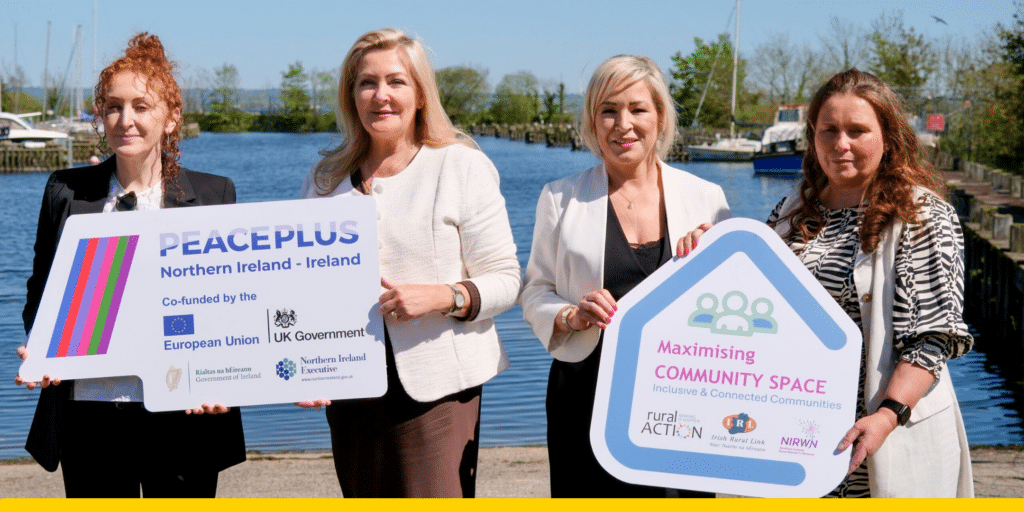
That potential is at the heart of the Rural Innovation and Social Enterprise (RiSE) Project. A PEACEPLUS-funded, cross-border initiative it supports rural organisations to turn ideas into practical, community-driven growth.
Backed by €3.97 million from PEACEPLUS, RiSE is working with 19 rural organisations across Northern Ireland and the border counties. This is helping them explore how social enterprise can create stronger, more resilient places to live, work, and access services.
A Local Organisation Planning for the Future
Among the organisations taking part is Kesh Enterprise Co. Ltd. They are a long-established community enterprise that has supported local development since 1992.
For Kesh Enterprise, participation in RiSE comes at an important moment. The organisation manages enterprise and rental facilities in the area. They are reinvesting income to support the local community and help sustain Kesh Community Centre.
The group is using their involvement in RiSE as an opportunity to consider the future development of its facilities. This includes the possible expansion of Mantlin Enterprise Centre.
Neville Armstrong, director of Kesh Enterprise Co. Ltd, said the programme offers space to step back, learn from others. It allows them to build a clearer action plan for the years ahead.
He said:
“We are delighted to be part of the RiSE programme and see it as a valuable opportunity to look at where we are as an organisation and how we can develop sustainably for the future. Ultimately, we want to ensure that any future development continues to benefit the local community and supports the long-term sustainability of our organisation.”
Why Social Enterpise Matters
The RiSE Project reflects a shared belief that rural communities have the ideas, leadership, and local knowledge needed to build sustainable solutions — but often need the right support, networks, and confidence to bring those ideas forward.
Led by Rural Action in partnership with Irish Rural Link, Social Enterprise Academy Scotland, and Social Enterprise NI, with Community Finance Ireland as an associate partner, RiSE brings together organisations from across communities and across borders to learn, collaborate, and strengthen their social enterprise models.
For Community Finance Ireland, that mission closely aligns with our work supporting charities, community groups, sports clubs, and social enterprises to access flexible, ethical finance that helps turn community ambition into lasting impact.
Learning, Leadership and Collaboration
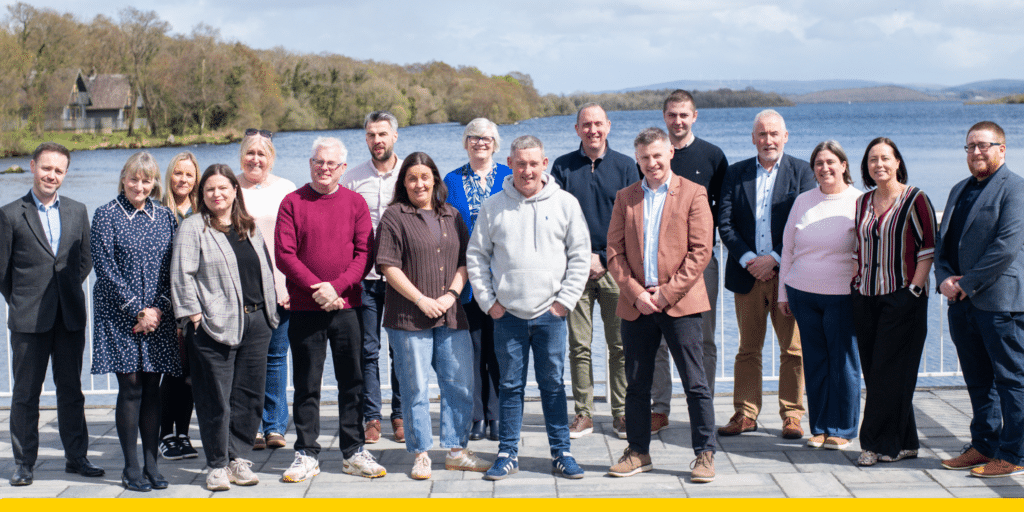
The first RiSE cohort came together in June. This was for the Exploring My Leadership event at Galbally Community Centre. It was followed by a residential session in Monaghan in July.
Those early sessions have already helped participants share experiences, explore common challenges, and begin shaping ideas for future development.
Teresa Canavan, Chief Executive of Rural Action, said:
“It has been fantastic to see the first RiSE cohort come together and to watch the connections, conversations, and ideas already beginning to develop.”
She added that the partnership approach is one of the programme’s real strengths. It is creating space for people and organisations to work together across communities and borders.
What Happens Next?
The programme will continue throughout the autumn, with a one-day study visit in Northern Ireland planned for September. There will also be a three-day visit to Scotland in October.
RiSE Schools will launch in September. The idea is to introduce young people to social enterprise, innovation, and social action. With the ambion of helping inspire the next generation of rural changemakers.
Expressions of interest are now open for the next RiSE cohort and will close on Friday, 9 October 2026.
Details and application forms are available on the Rural Action website.
The PEACEPLUS programme is co-funded by the European Union, the UK Government, the Government of Ireland, and the Northern Ireland Executive.